Best ear cleaner for Goldendoodles in 2026
Floppy ears plus hair growing inside the ear canal plus any water equals a prime environment for bacterial and yeast infections. Goldendoodles are one of the most ear-infection-prone breeds. Weekly cleaning with the right solution prevents most of it.
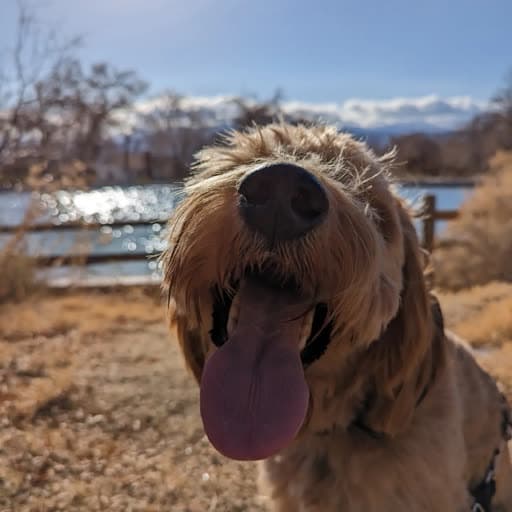
Why Goldendoodles get ear infections
A healthy ear has airflow that evaporates moisture and prevents bacteria and yeast from establishing. Goldendoodle ears work against this in three ways.
First, the floppy ear flap covers the ear canal opening and blocks airflow. Second, Goldendoodles (particularly F1B dogs with more Poodle genetics) grow hair inside the ear canal itself. This hair traps dirt, debris, and moisture in the warm, dark canal. Third, the breed loves water, and wet ear canals that are not dried properly after swimming are the most common direct cause of acute ear infections.
Yeast infections (otitis externa caused by Malassezia) are the most common type in doodles. Bacterial infections are second. Some dogs develop both simultaneously. The treatment for each is different, which is why a vet visit and a swab culture is important before treating rather than guessing.
Best ear cleaners for routine maintenance
Virbac Epi-Otic Advanced
The Virbac Epi-Otic Advanced is the most widely recommended routine ear cleaner by veterinarians. It is low pH (acidic), which makes the ear canal environment inhospitable to bacteria and yeast. It dries quickly, does not leave residue, and is gentle enough for weekly use. Safe for dogs with perforated ear drums which many other cleaners are not.
This is what Mango's ears get cleaned with every week. The process takes about three minutes per ear, produces zero drama, and has kept his ears clean and odor free on a consistent basis.
Zymox Ear Cleanser with Biofilm Defense
The Zymox Ear Cleanser uses enzymatic action to break down biofilm, the protective layer that bacterial and yeast colonies form inside the ear canal. It is the better choice for dogs with a history of recurrent yeast infections or dogs that develop infections despite regular Epi-Otic cleaning. Not quite as fast drying as Epi-Otic but more targeted for yeast prone dogs.
Vetericyn Plus Ear Rinse
The Vetericyn Plus Ear Rinse is a gentle hypochlorous acid solution that flushes debris and kills bacteria and yeast on contact. A good option for dogs who are sensitive to the scent or feel of alcohol based cleaners. Non-stinging, no harsh chemicals.
What to avoid
Do not use hydrogen peroxide, rubbing alcohol, or vinegar solutions from DIY recipes. These can irritate the delicate ear canal tissue, disrupt the pH balance, and make recurring infections more likely rather than less. They work short term but cause more problems over time.
Do not insert cotton swabs into the ear canal. The canal has an L shape and you cannot see far enough in to guide the swab safely. Swabs push debris deeper rather than removing it and can damage the ear drum. Clean the visible outer ear only with a cotton ball or gauze.
How to clean a Goldendoodle's ears
| Step | Action | Notes | |
|---|---|---|---|
| 1 | Fill the ear canal with cleaner | Tip the bottle into the ear opening and squeeze. Do not worry about overfilling. | |
| 2 | Massage the base of the ear for 30 seconds | You should hear a squishing sound. This breaks up debris inside the canal. | |
| 3 | Let the dog shake | Stand back. This brings debris to the outer ear. | |
| 4 | Wipe the outer ear with a cotton ball | Remove all visible debris and excess cleaner from the outer ear flap and visible canal. | |
| 5 | Dry the outer ear thoroughly | Especially after bathing or swimming. Trapped moisture is the primary infection trigger. | |
| 6 | Reward | High value treat at the end of each session builds tolerance for the next one. |
The swim protocol
Any time Mango swims, his ears are cleaned and dried within 30 minutes of getting out of the water. This is not optional. Water that sits in the ear canal for hours after swimming is the single biggest infection risk for a doodle.
After squeezing out excess water by hand and towel drying the outer ear, apply cleaner, massage, let the dog shake, then wipe out. If you swim frequently, a ear drying powder applied before swimming helps wick moisture from the canal during the session.
Signs of a Goldendoodle ear infection
Head shaking is usually the first sign, especially after returning from outside or after sleeping with one ear compressed. Scratching at or near the ear, tilting the head persistently to one side, dark brown or yellow discharge in the canal, a musty or yeasty odor from the ear, redness inside the ear flap, and flinching when you touch the ear area.
Any of these means a vet visit. Trying to treat at home with over the counter products when you do not know whether the infection is bacterial or yeast (or both) typically delays resolution and allows the infection to become more established.
Frequently asked questions
How often should you clean a Goldendoodle's ears?
Once a week baseline. Immediately after every swim or bath. Do not over clean. Excessive cleaning causes irritation.
Why do Goldendoodles get ear infections so often?
Floppy ears reduce airflow. Hair inside the ear canal traps moisture. The breed loves water. All three factors combine against the breed.
What is the best ear cleaner for dogs?
Virbac Epi-Otic for routine maintenance. Zymox for dogs with recurrent yeast. Both are vet recommended.
Should you pluck ear hair from a Goldendoodle?
Ask your vet. Trimming is now preferred over plucking by many vets. Plucking can create micro tears that increase infection risk.
What are signs of a Goldendoodle ear infection?
Head shaking, ear scratching, head tilt, dark or yellow discharge, odor, redness, or sensitivity when touching the ear. All of these warrant a vet visit.