Best peanut butter for dogs
Peanut butter is the magic trick of dog ownership. It stuffs a Kong, hides a pill, smears across a lick mat, and turns a nail trim from a wrestling match into a calm minute. But there is one ingredient that can turn that treat into an emergency, and most owners have never heard of it. Here is how I pick peanut butter for Mango, the warning that matters most, and the brands we trust.
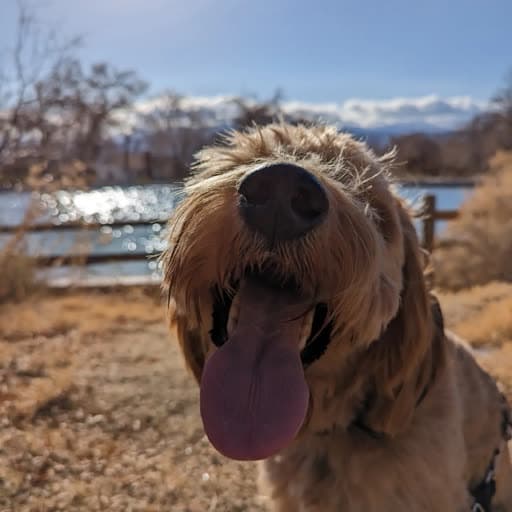
The xylitol warning comes first for a reason
I lead with this because it is the thing that actually puts dogs in the emergency room. Xylitol is a sugar substitute found in gum, mints, baked goods, some peanut butters, and a growing list of everyday products. In humans it is harmless. In dogs it tricks the pancreas into dumping insulin, the blood sugar crashes within minutes to an hour, and the liver can be damaged on top of that. The scary part is how small a dose can do harm. A spoonful of the wrong peanut butter is not a small thing.
Here is the trap. The peanut butters most likely to contain xylitol are the ones that sound healthy. Sugar free spreads, low sugar diet versions, and some natural lines reach for xylitol to keep things sweet without cane sugar. So the marketing word that makes you feel good is sometimes the exact thing that makes it dangerous. And because manufacturers reformulate, a jar that was safe last year is not guaranteed safe today. That is why the rule is simple and permanent: read the label every time, and watch for both xylitol and birch sugar.
How to read a peanut butter label like a dog parent
Flip the jar over and ignore the front entirely. The ingredient list is the only thing that tells the truth. Here is what I scan for, in order:
- Xylitol or birch sugar. Hard stop. If either one appears, the jar goes back on the shelf. No exceptions.
- Other sweeteners and added sugars. Cane sugar, corn syrup, molasses, and similar add empty calories your dog does not need. Not toxic, but not ideal as a regular treat.
- Palm oil and hydrogenated oils. These stabilizers keep the oil from separating. They add nothing for your dog and can upset some sensitive stomachs.
- Salt. A little is fine, but high sodium spreads are worth skipping when an unsalted option exists.
- Aflatoxin note. Peanuts can carry a natural mold byproduct called aflatoxin. You cannot see it on a label, but buying from reputable brands that test their supply is your best protection, which is one quiet point in favor of trusted names.
The shortest path to a good jar: if the ingredient list says peanuts and nothing else, you are almost always in great shape.
What makes a good dog peanut butter
Strip away the marketing and the ideal jar is boring in the best way. Just peanuts. Unsalted or low salt. No xylitol, ever. No added sugar. No palm oil or hydrogenated stabilizers. That is the whole checklist. A natural spread that separates and needs a stir is a good sign, because that separation means it has not been pumped full of stabilizers to stay shelf stable.
| Look for | Avoid | Why it matters | |
|---|---|---|---|
| Peanuts as the only ingredient | Xylitol or birch sugar | Xylitol is toxic and can be fatal. A single ingredient jar removes the guesswork. | |
| Unsalted or low salt | High sodium | Dogs do not need the extra salt and some do better without it. | |
| No added sugar | Cane sugar, corn syrup, molasses | Added sugars are empty calories and can upset sensitive tummies. | |
| Natural oil separation | Palm oil, hydrogenated oils | Stabilizers add nothing for your dog and can bother some stomachs. | |
| Reputable brand that tests supply | Unknown or unbranded bulk | Helps reduce the risk of natural aflatoxin in poorly handled peanuts. |
Dog specific peanut butter vs plain human peanut butter
You have two safe paths, and Mango uses both.
Dog specific lickable peanut butters are formulated for exactly this job. They are unsalted, contain no added sugar, and are guaranteed xylitol free, so they take the label anxiety off your plate. I keep a pouch of Poochie Butter in the fridge for lick mats and Kong stuffing. Brands like Buddy Budder add dog friendly extras like flax or coconut, and Green Coast Pet lickable peanut butter comes in a squeeze pouch that is genuinely convenient for travel and for spreading a thin layer on a mat. The squeeze format also makes it easy to portion, which matters more than it sounds.
Plain human peanut butter works too, and it is usually cheaper per ounce. Classic versions of Jif, Skippy, and Smucker's Natural are commonly xylitol free. The honest framing is this: the plain ones are usually fine, but xylitol can still appear in certain lines, so always read the label before you buy and again if the packaging changes. The plain natural spread (just peanuts) is the gold standard on the human shelf.
How to actually use peanut butter
This is where peanut butter earns its place in the cabinet. A few jobs it does better than anything else:
- Stuffing a Kong. Smear it inside, freeze it, and you buy yourself a quiet half hour. We do this most mornings. See our best toys for Goldendoodles guide for the Kong we use.
- Lick mats. A thin layer spread across the ridges keeps a dog calm and busy. The slow licking is genuinely soothing. Our lick mat guide covers the mats Mango likes best.
- Hiding pills. A dab wrapped around a tablet is the oldest trick in the book and it still works on most dogs.
- Training. A lick off a spoon is a high value reward for hard moments. Pair it with the techniques in our training treats guide.
- Frozen treats. Mix it with plain yogurt or mashed banana, freeze in a silicone mold, and you have a homemade summer treat that lasts. In Las Vegas heat this is a regular for Mango.
Portion and calorie caution
Peanut butter is delicious because it is fat, and that fat adds up fast. It is a treat, never a meal, and it should fit inside the rough rule that treats stay under about 10 percent of your dog's daily calories. For a medium dog like Mango, a teaspoon or two a day is plenty. A whole spoon every time you walk past the jar is how a doodle quietly gains a pound.
Two groups need extra care. Overweight dogs should get very little, because the calories work against the goal. And dogs prone to pancreatitis should usually avoid high fat treats like peanut butter entirely, since fat is a known trigger for that painful condition. If your dog reacts to certain foods, our Goldendoodle food allergies guide is worth a read before you introduce anything new. When in doubt, ask your vet.
A note on homemade peanut butter
If you want total control over the ingredients, you can make it yourself. Toss unsalted, plain peanuts into a food processor and run it until the oils release and it turns smooth. No sugar, no salt, no stabilizers, and zero chance of xylitol because you control every ingredient. Store it in the fridge and use it within a week or two, since homemade has no preservatives. It is a nice option for owners who like to keep things simple, and Mango cannot tell the difference.
Quick FAQ
Why is xylitol so dangerous for dogs in peanut butter? Xylitol is extremely toxic to dogs. Even a tiny amount triggers a dangerous insulin release that crashes blood sugar and can damage the liver. It can be fatal. On labels it sometimes appears as birch sugar. Read the full ingredient list every time, and if you see it, do not give that jar to your dog.
Is regular human peanut butter safe for dogs? Plain peanut butter is usually fine as long as it has no xylitol. The safest jar lists only peanuts, with no added sugar, salt, or sweeteners. Always check the label first.
How much peanut butter can a dog have? A small amount. For a medium dog, a teaspoon or two a day is plenty. Keep treats under about 10 percent of daily calories. Overweight dogs and dogs prone to pancreatitis should have very little or none.
What is the best peanut butter to put in a Kong? Any plain, xylitol free peanut butter. Dog specific lickable butters like Poochie Butter and Buddy Budder are made for it. Freeze it for a treat that lasts longer.
Can puppies eat peanut butter? Yes, in small amounts, as long as it is xylitol free and plain. It is great for making a Kong or lick mat rewarding during crate training. Keep portions tiny.
What does Mango use? A pouch of Poochie Butter in the fridge for lick mats and Kongs, plus a jar of plain natural peanut butter for everyday treats. The full list lives on Mango's favorites page.