Goldendoodle paw care
Goldendoodle paws are doing a lot of work under all that fluff. They are the most ignored part of grooming, the first place allergies show up, and one of the easiest places to prevent vet bills with five minutes of weekly care. Here is everything we have learned keeping Mango's paws healthy, from between toe matting to hot pavement to nail trims that do not turn into a wrestling match.
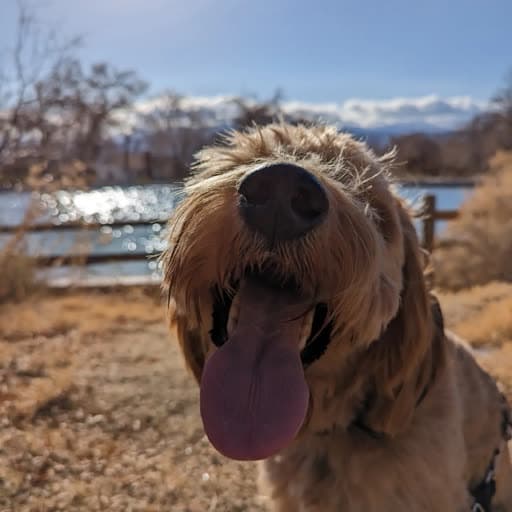
Goldendoodle paw anatomy in plain English
A doodle paw has five basic parts you should know:
- The pads. Four toe pads and one large central pad called the metacarpal. These are tough but living tissue, and they crack, blister, and burn just like skin.
- The webbing between the toes. This is the most sensitive area on the whole paw, and the place where allergies, yeast, and matting start.
- The nails and the quick. The quick is the blood vessel and nerve that runs partway down the nail. Cut into it and you get a yelp and a long bleed. The longer the nail, the longer the quick.
- The dew claw. The thumb claw on the inside of the front legs. Some Goldendoodles have rear ones too. They do not wear down on their own, so they need separate trimming.
- Paw fur. The fur between the pads, between the toes, and around the foot. On a doodle, this fur grows fast and thick and is the primary source of paw drama.
Between toe matting, the doodle problem
Of every paw issue we have dealt with on Mango, between toe matting is the one that surprised us most. The fur between the toes grows quickly, traps every bit of moisture and dirt the dog walks through, and forms tight little mats right against the most sensitive skin on the body. Once a mat sets, it pulls on the skin with every step, the dog starts licking, and within a week you have either a hot spot, a yeast infection, or a limp.
The signs are subtle at first. The dog licks one paw more than the others. They shake the foot when they stand up. They favor a different gait on hard floors. By the time you see actual redness, the mat has been there a while. Untreated, it can also progress into a Goldendoodle hot spot.
The fix is a two minute habit. Once a week, sit down with your doodle, flip a paw over, spread the toes, and run a metal greyhound comb between each pair. If the comb catches, you have a mat starting. Trim the mat out with small blunt tip scissors, never past the level of the paw pad. A small clipper with a number 10 blade run over the bottom of the foot once a week also works and goes faster.
Paw pad health
Doodle pads are usually pink to dark gray, slightly rough, and dry to the touch. Healthy pads are flexible. Sick pads are cracked, peeling, sticky, or crusty. The four most common pad problems we see in doodles:
- Cracking from dry climates. Las Vegas is rough on paws. Apply a paw balm two or three nights a week year round. Musher's Secret is the standard. Apply at bedtime so the dog sleeps it in instead of licking it off. Our Goldendoodle summer heat safety guide has the asphalt math for the same climate.
- Burns from hot pavement. We cover prevention below. If a pad is already blistered or peeled, it is a vet visit.
- Cuts from glass and rough trails. Rinse, look, apply pressure if bleeding. Anything deeper than a paper cut or longer than a half inch needs a vet.
- Hyperkeratosis. Thick crusty buildup on the pads that looks like a small forest growing on the foot. Genetic in some lines. Treated with regular trimming of the excess and consistent moisturizing.
| Top risk | Routine | Tool | |
|---|---|---|---|
| Spring | Allergies, foxtails | Daily paw rinse, foxtail check after walks | Microfiber towel |
| Summer | Hot pavement burns | Walk before 9 a.m. or after sunset | Pawz or Ruffwear booties |
| Fall | Mud and matting | Weekly between toe comb | Greyhound metal comb |
| Winter | Salt and ice burns | Wipe paws after every walk, balm before | Musher's Secret balm |
Hot pavement and the seven second rule
The most common paw injury we see Goldendoodle owners post about every summer is the hot pavement burn. It is also the most preventable. Three rules:
- The seven second rule. Place the back of your hand on the pavement and hold it. If you cannot keep it there for seven seconds, it is too hot for paws. Asphalt at 85 degrees Fahrenheit air temperature can reach 135 degrees on the surface. Concrete is slightly cooler but still cooks paws.
- Walk before 9 a.m. or after sunset. The pavement holds heat for hours after the sun goes down. In Las Vegas summer, we walk Mango at 6 a.m. and 9 p.m., and we stick to grass and sidewalks in shade in between.
- Booties for unavoidable hot walks. Ruffwear Grip Trex and Pawz disposable rubber booties are the two we keep on hand. The rubber Pawz are a tighter fit and stay on better for short trips. The Grip Trex are sturdier for hikes.
A hot pavement burn looks like a darkened or red pad, sometimes with a translucent peeling layer. The dog will lick the paws non stop and may limp. This is a vet visit, not a home treatment, and the recovery is usually two to three weeks of restricted walking.
Winter salt and ice
Cold climate doodle owners deal with the opposite problem. Salt and ice melt chemicals dry out paw pads, get stuck in the paw fur, and burn the webbing between the toes. The protocol is simple but you have to actually do it:
- Wipe paws after every walk. A bowl of warm water and a microfiber towel by the front door. Dip each paw, dry thoroughly between the toes, repeat. This single habit prevents most winter paw problems.
- Apply paw balm before walks. Musher's Secret was literally invented for sled dogs in cold weather. A thin layer before going out gives the pads a barrier against salt and ice.
- Booties on icy days. The Pawz disposables also block salt. Look for ones with a non slip sole if your floors are slick.
- Trim paw fur shorter in winter. Counterintuitive, but long paw fur picks up snowballs and salt. A clean, short paw stays drier and warmer.
Nail trimming for Goldendoodles
Long nails are the slow motion paw injury. They change the angle of the toes, stress the wrist and shoulder joints, and split or tear when caught on carpet. The rule is simple: if you hear nails clicking on a hard floor, they are too long.
Most doodles need a trim every three to four weeks. The two tools:
- Clippers. Faster, but easier to hit the quick on thick doodle nails. Millers Forge red handle clippers are the groomer favorite.
- Grinder (Dremel style). Slower, but much harder to cut the quick by accident. The buzzing takes some desensitization. The Dremel PawControl and the Casfuy quiet grinder are the two we have actually used. Mango tolerates the Casfuy because it is genuinely quiet.
The technique that works on a wiggly doodle:
- Have a high value treat in your pocket and a peanut butter spread on a lickmat ready
- Sit on the floor, dog beside you, lickmat in front of them
- Lift one paw, do two nails, set it down, treat
- Repeat for all four paws. Aim for tiny shavings, not big chunks
- If you hit the quick, stop, apply styptic powder or cornstarch with pressure for two minutes
We do Mango's nails on Sunday mornings. He gets a lickmat with Greek yogurt and we do all four paws in about ten minutes. If you dread the trim, the dog dreads it more. Build the routine slowly and reward heavily.
Why paws lick and chew
Paw licking is one of the most common reasons doodles end up at the vet. The diagnosis is almost always one of these:
- Environmental allergies. Grass, pollen, dust mites. The dog reacts on the paws because the paws contact the allergen first. Often paired with itchy ears and itchy belly.
- Food allergies. Less common than environmental but real. Chicken and beef are the top doodle culprits. Read our best food for Goldendoodles guide for limited ingredient picks.
- Yeast infection between the toes. Smells like corn chips or stale bread. The webbing is red and slightly swollen. Vet treats with topical antifungal and a medicated shampoo.
- A foreign object. Foxtail seeds, glass shards, small splinters. Doodle fur hides them well. If the licking started suddenly, look hard.
- Boredom or anxiety. Compulsive licking on one paw, no other symptoms. Address mental stimulation and the habit usually breaks.
The home test: rinse the paw with water, dry it thoroughly, and watch. If the licking continues hard for the next 30 minutes on a clean paw, you are looking at allergies or an infection, not just dirt. Call the vet.
Bath day paw routine
Most owners shampoo the body and give the paws a quick rinse. With a doodle, the paws need their own pass. Our bath day routine:
- Lather the paw pads and webbing with a gentle dog shampoo
- Massage in for thirty seconds, especially between every pair of toes
- Rinse twice, until the water runs completely clear
- Towel dry to the skin between every toe
- Force dry the paw fur if you have a dryer
- Apply a thin layer of paw balm if pads look dry
Paws stay wet longer than the rest of the dog because the fur there is dense and the pads sweat. A still damp paw is the perfect place for yeast to grow. The drying step is not optional.
When to call the vet
Most paw issues are solved at home. These are not:
- Limping that does not resolve in 24 hours
- A pad that is bleeding heavily, has a deep cut, or is peeling
- A foxtail or splinter you cannot see or reach
- Swelling, heat, or a foul smell from the paw
- A torn or split nail past the quick
- A growth or lump on the paw or between toes
- Persistent licking on a clean dry paw with visible redness
The five minute weekly paw routine
If you do nothing else, do this. Once a week, ideally on the same day, run through this five step check:
- Comb between every pair of toes for mats
- Trim the fur on the bottom of the paw flush with the pads
- Inspect the pads for cracks, cuts, and color changes
- Check nail length and trim if needed
- Apply paw balm if pads look dry
Mango's paw routine takes about seven minutes on Sunday morning. That single habit has prevented more vet visits than any other piece of grooming we do. Start it as a puppy and the dog will actually present a paw when you ask. Start it as an adult and you will need treats and patience for a couple of weeks.
Quick FAQ
Should I get my doodle's paws shaved at the groomer? Ask for a clean foot trim every visit. The fur on the bottom of the paw and between the toes should be flush with the pads. The fluffy round look on top of the paw can stay if you maintain it.
Are paw soakers necessary? Not for healthy paws. For a dog with seasonal allergies, a weekly paw soak with chlorhexidine and water can break the itch cycle. Talk to your vet first.
Do Goldendoodles need booties indoors on slick floors? Some seniors with arthritis do, especially on hardwood. For most adult doodles, keeping nails short and the paw fur trimmed is enough.
What does Mango use day to day? Weekly paw comb and trim, monthly nail grind, and Musher's Secret on cracked pads in summer. The exact tools and balm are on Mango's favorites page.