Goldendoodle shedding season: the coat blowout explained
Every Goldendoodle owner who was sold on the low-shedding pitch eventually meets the puppy coat blowout and has a moment of disbelief. Yes, even doodles blow their coats. Here is what is happening, when it ends, and how to get through it without every cushion in the house turning into a fur mat.
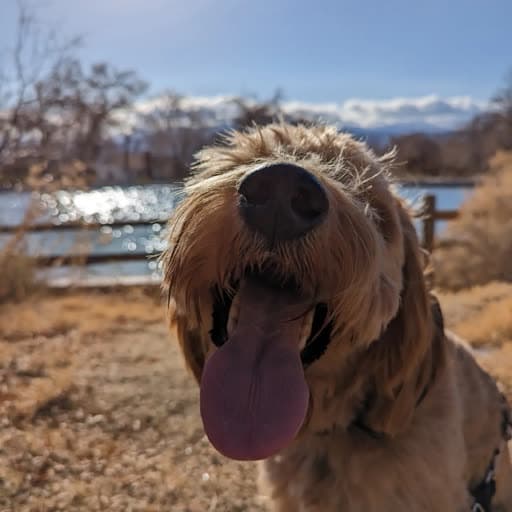
The puppy coat blowout
Every Goldendoodle's puppy coat is softer, fluffier, and often wavier than the adult coat will be. This puppy coat begins shedding between 6 and 9 months as the adult coat grows in beneath it. The period when both coats are present simultaneously is the blowout, and it is the most intensive grooming period of the dog's life.
The texture of the puppy coat tangling with the adult coat texture creates extreme mat risk. Owners who brush three times a week during normal periods often need to brush daily during the blowout. Many dogs that have never had a mat will develop them during this period if the brushing schedule does not adjust.
The blowout produces more hair than most doodle owners have seen from their dog before. Even F1B dogs, which shed minimally after the transition, will leave noticeable hair on furniture and clothing during the blowout. This surprises owners who were told their dog would not shed. The dog is shedding. It ends in 6 to 10 weeks.
Shedding by generation
F1 Goldendoodles (50 percent Golden Retriever, 50 percent Poodle) typically have wavy or loose curly coats with more visible shedding. The hair that sheds releases from the coat and ends up on surfaces. The mat risk is lower because loose hairs fall out rather than tangling. F1 dogs are often described as shedding like their retriever parent, though usually at a reduced level.
F1B Goldendoodles (75 percent Poodle) typically have curlier coats with less visible shedding. The curly texture traps shed hairs within the coat rather than releasing them. The hair on your furniture is less, but the hair in the coat is more, which is why F1B dogs mat faster without regular brushing. The coat is not shedding less, it is retaining the shed hair rather than releasing it.
F2 and multigen coats vary widely depending on which parent's genetics dominated. Predicting adult coat type and shedding level from puppy photos is imprecise.
Seasonal shedding after the puppy coat transition
Most Goldendoodles settle into a mild seasonal shedding pattern after the puppy coat blowout. Spring and fall are the most common shedding peaks, triggered by photoperiod (day length) changes that signal the dog's coat to adjust for the coming season. Spring shedding removes the heavier winter undercoat. Fall shedding prepares for the winter coat growth.
For F1B and curlier dogs, seasonal shedding is less visible on surfaces and more detectable through increased mat formation and denser brush output. For F1 dogs, visible shedding on furniture and clothing increases noticeably during these periods.
Managing high shed periods
Increase brushing to daily during the blowout and during seasonal peaks. The goal is to mechanically remove shed hair from the coat before it can tangle. A slicker brush followed by a metal comb check is the standard routine, same as normal maintenance but more frequent.
During the blowout, an undercoat rake or deshedding tool can help remove the loosening puppy coat more efficiently. Use it after the slicker brush to pull out the soft undercoat that the slicker misses. Do not use a deshedding tool aggressively: two passes through each section is typically enough.
A bath with a deshedding shampoo during the blowout can help loosen and release more of the puppy coat. Always brush completely before bathing and blow dry fully after. Never let the coat air dry during the blowout. The combination of the two coat textures present simultaneously plus air drying is the fastest path to severe matting.
When shedding signals a problem
Normal shedding is seasonal, bilateral (even on both sides), and does not produce bare patches or visible skin changes. Abnormal shedding includes: asymmetric hair loss, bald patches, hair coming out in clumps, shedding accompanied by scratching or skin redness, or sudden heavy shedding in an adult dog outside the seasonal windows.
Abnormal shedding can indicate thyroid disease, Cushing's syndrome, allergies, skin infection, nutritional deficiency, or stress. Any shedding pattern that seems outside the normal cycle warrants a vet check, including bloodwork to rule out hormonal causes.
Frequently asked questions
Do Goldendoodles have a shedding season?
Yes. The puppy coat blowout at 6 to 9 months is the most significant. Mild seasonal shedding in spring and fall continues throughout adulthood.
When do they blow their puppy coat?
Between 6 and 9 months. The blowout lasts 6 to 10 weeks. Daily brushing is required throughout.
Why is my Goldendoodle shedding suddenly?
Most likely the puppy coat blowout (if 6 to 9 months) or seasonal shedding (spring or fall). Sudden shedding outside these patterns warrants a vet check.
Do F1B Goldendoodles shed less?
Yes, less visibly. The curly coat traps shed hair rather than releasing it to surfaces. Less hair on furniture, more mat risk in the coat if not brushed.
How do you manage the blowout?
Daily brushing, undercoat rake during sessions, deshedding bath with full blow dry, and a better vacuum routine. It ends in 6 to 10 weeks.