Goldendoodle spay and neuter recovery: what to expect week by week
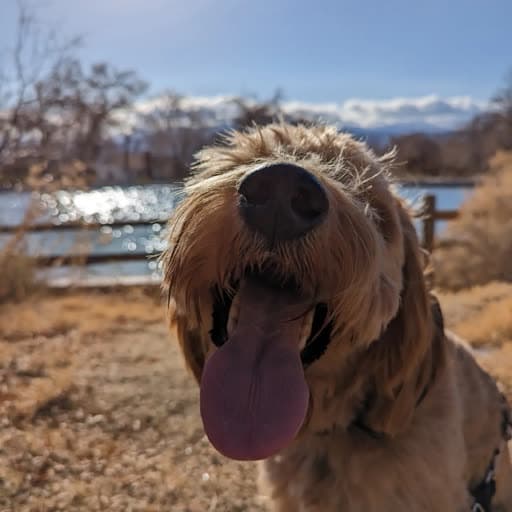
The first 24 hours after you bring your Goldendoodle home from surgery feel unsettling. They are groggy, confused, and not themselves. That is completely normal. The recovery window is short and very manageable once you know what to watch for and what to expect each week. This is the guide Mango's family wishes we had on day one.
The first 48 hours
Your dog will be groggy from the anesthesia for most of the first day. This is expected. The anesthesia clears slowly and some dogs are unsteady on their feet, whimpery, or unusually quiet for 12 to 24 hours.
Do not offer food for the first few hours after arriving home. Your vet will give you a specific window. Eating too soon after anesthesia can cause vomiting. Offer small amounts of water first. Once your dog keeps water down, you can offer a small meal.
Keep the environment quiet and confined. No stairs if possible. A small pen or a single room works well. The goal is low stimulation and no opportunities to jump on or off furniture.
Week-by-week recovery timeline
| Timeframe | Activity allowed | Incision check | Watch for | |
|---|---|---|---|---|
| Week 1 | Leash walks only for bathroom. Short, slow trips. No running, jumping, or play. | Check morning and night. Expect minor pink edges and light swelling. Surface should stay dry. | Gaping, ooze, discharge, bright redness, or smell. Any of those: call the vet. | |
| Week 2 | Continue leash-only walks. Slight increase in duration if your vet approves. Still no off-leash activity. | Swelling should be mostly gone. Edges closing cleanly. Hair may start to regrow around the site. | Itching is normal as it heals. Licking or scratching the site means the cone needs to stay on. | |
| Weeks 3 to 4 | Short off-leash time in a calm space if the vet confirms healing at the follow-up visit. Still no rough play. | Incision should look closed and flat. Some light scarring is normal. | Any reopening or discharge at this stage is unusual. Call the vet. | |
| Week 5 to 6 and beyond | Gradual return to full activity. Increase duration and intensity slowly over one to two weeks. | Internal healing finishes around week six for females. Males heal faster internally. | Weight creep. Metabolism has dropped. This is the window where food reduction matters most. |
The cone and what to do when your dog hates it
The e-collar stays on any time you are not actively supervising your dog. A Goldendoodle can reach the incision site and lick stitches open in under a minute. The hard plastic cone that comes from the vet works, but it is not the only option.
The most popular alternative is an inflatable recovery collar. It works like a neck pillow around your dog's head. Most dogs tolerate it much better than hard plastic because they can still lay their head down, see clearly, and eat from a bowl without fighting the rim. Confirm that your specific dog cannot reach the incision with the inflatable size you choose before relying on it unsupervised.
A soft fabric donut collar is another option. Recovery suits and surgical onesies that cover the incision directly are also available and work well for dogs who find any neck collar intolerable. The key is that the incision site is fully blocked from access at all times when you are not watching.
How to monitor the incision
Check the incision site twice per day. Morning and evening is a good rhythm. You are looking for a clean, dry surface that is slowly coming together.
Normal signs in the first week include a thin pink or red line at the edges, very light swelling around the site, and occasional mild bruising in the surrounding skin. These are all expected.
Emergency signs that require calling the vet the same day include the incision opening or gaping apart, any discharge or oozing from the site, bright red color that is spreading, swelling that is getting larger instead of smaller, and any smell coming from the area. These are not wait-and-see situations.
Activity restriction for an energetic Goldendoodle
This is the hardest part for most Goldendoodle owners. The restriction is real and it matters. Internal tissues are still healing even when your dog feels and acts completely normal. A dog who feels good will strain the incision without knowing it.
The rules for 10 to 14 days are: leash walks for bathroom breaks only, no running, no jumping on furniture, no rough play with other dogs, no swimming, and no bathing the incision site. If you have a fenced yard, do not let your dog off-leash outside. The moment they see a squirrel, all recovery plans disappear.
Mental enrichment is your best tool. Puzzle feeders, frozen Kongs, and calm training sessions with small treats tire a Goldendoodle's mind without taxing the body. A mentally tired dog is a resting dog.
Pain management and medications
Your vet will send you home with a prescription NSAID, typically carprofen or meloxicam. These are the correct medications for post-surgical pain in dogs. Give them exactly as prescribed and always with food to protect the stomach.
If your dog seems uncomfortable after the first day or two despite the medication, call the vet. Some dogs need an adjusted dose or a different pain management approach. Do not wait until the follow-up appointment if your dog is clearly hurting.
The metabolism change most owners miss
This is the piece that causes the most long-term problems after an otherwise successful recovery. Spaying and neutering reduces a dog's resting metabolic rate by roughly 20 to 30 percent. The same food that kept your dog lean before surgery will cause steady weight gain after it.
Most vets recommend reducing daily calorie intake by 10 to 20 percent starting around weeks two to four post-surgery. The exact amount depends on your dog's size, age, and activity level. If you are not sure, ask your vet at the follow-up visit and request a target weight range.
The weight gain from this metabolic shift is gradual. It often goes unnoticed until six to twelve months post-surgery when owners notice the dog is carrying extra weight. Adjusting food sooner is much easier than reversing established weight gain later.
Behavior changes to expect
Every dog responds differently. Some dogs are noticeably calmer after the procedure. Many show no personality change at all.
In males, testosterone-linked behaviors tend to decrease over the one to three months following surgery. Marking indoors, mounting, and the urge to roam usually reduce. These changes are not immediate. They follow the gradual drop in circulating testosterone.
Spayed females will no longer go into heat. The behavioral shifts that come with heat cycles, including restlessness, clingy behavior, and attracting male dogs, will stop entirely.
Core personality traits like playfulness, energy level, affection, and trainability are not affected by spaying or neutering. Your dog's fundamental character stays the same.
Las Vegas owners: heat during recovery
This note is specific to hot climates and matters more in summer months. During the recovery period your dog has limited ability to move around freely and cool down through normal activity and panting. Short outdoor trips in Las Vegas heat, even just bathroom walks in July or August, can cause heat stress faster than usual because your dog cannot self-regulate the way they normally would.
Keep outdoor time during recovery to the early morning or evening. Make sure your dog has constant access to fresh cool water indoors. A cooling mat can help during rest periods. Watch for excessive panting, drooling, or apparent distress even indoors. Recovery already places a small stress load on the body. Heat stacks on top of that.
Frequently asked questions
How long does it take for a Goldendoodle to recover from spay or neuter surgery?
The basic activity restriction window is 10 to 14 days. Full internal healing, particularly for females after a spay, takes 4 to 6 weeks. Your vet will confirm at the follow-up visit when normal activity can resume.
Does a dog need to wear the cone the entire recovery period?
Yes, whenever unsupervised. Alternatives like inflatable collars or soft donuts are more comfortable than hard plastic while still blocking incision access. The cone comes off during active, eyes-on time only.
How do I know if the incision is healing normally?
Check twice daily. Minor pink edges and light swelling in the first few days are normal. Opening, discharge, bright redness, or smell all require a same-day call to the vet.
Will my Goldendoodle gain weight after being spayed or neutered?
Almost certainly, if food intake is not adjusted. Metabolism drops 20 to 30 percent after the procedure. Reduce daily calories by 10 to 20 percent starting around weeks two to four to stay ahead of it.
Will spaying or neutering change my Goldendoodle's personality?
Testosterone-linked behaviors in males tend to decrease. Females will no longer go into heat. Core personality traits like playfulness, affection, and trainability are not affected.