Goldendoodle licking: why they do it and when it becomes a problem
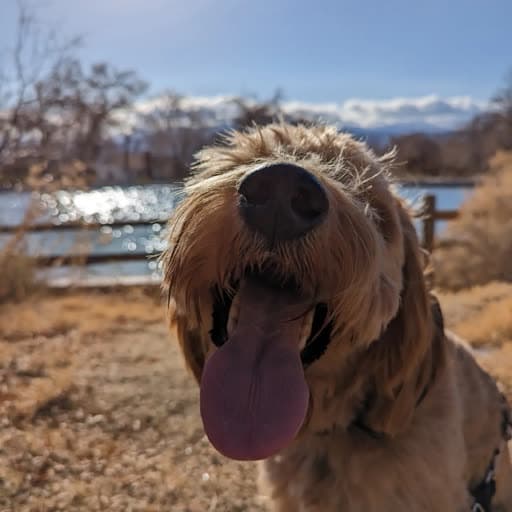
Goldendoodles are lickers. Mango will lick your hand, your knee, the couch cushion, and occasionally the tile floor for reasons that are not always obvious. Most licking is completely normal. Some of it is a signal that something is wrong. Knowing the difference saves you from ignoring a health problem or panicking over a greeting ritual.
Types of licking at a glance
| Licking type | Likely reason | Normal or concerning | What to do | |
|---|---|---|---|---|
| Licking people | Affection, salt, attention seeking | Normal | Enjoy it or redirect to a toy if constant | |
| Licking paws excessively | Allergies, anxiety, pain, boredom | Concerning if chronic | Check for redness between toes. See vet if staining present. | |
| Licking objects or floors | Nausea, anxiety, boredom | Occasional is normal | Persistent floor licking without vomiting = vet check | |
| Licking air or obsessive licking | Compulsive behavior, nausea | Concerning | Behavioral consult and possible vet workup | |
| Licking wounds or sores | Instinct to clean injury | Becomes a problem fast | E-collar immediately. Licking delays healing and causes hot spots. |
Licking people
This is the one most owners actually enjoy. Goldendoodles lick people because it feels good socially. It is how puppies greet their mothers and how dogs show submission and affection to each other. When Mango licks your hand after a workout, there is also a real salt component. Dog taste buds notice salt on skin.
Face licking is still normal but carries a hygiene consideration. Dog mouths carry bacteria including some strains that cause skin infections in humans. Letting a dog lick your mouth or eyes consistently is not a great idea, especially for kids or anyone immunocompromised. You do not need to stop it entirely. Just redirect away from faces if it happens constantly.
When licking people becomes a problem is when the dog cannot be interrupted, licks until the skin is raw, or uses licking as the only way to manage anxiety. At that point it has crossed into compulsive territory.
Paw licking
Paw licking is the number one licking complaint from doodle owners. It tends to be chronic, it is noisy at night, and it often gets worse over time if the underlying cause is not addressed.
The most reliable indicator of chronic paw licking is brown or reddish staining on the paw fur, especially between the toes. This stain comes from porphyrin, a compound in dog saliva. The same compound causes tear stains under the eyes. It does not wash out quickly. If you see it, the dog has been licking that paw for a long time.
The main causes of chronic paw licking are:
- Environmental allergies. Grass, pollen, mold spores, and carpet fibers all irritate sensitive skin. Allergens enter through the paws on every walk.
- Food allergies or sensitivities. Proteins like chicken, beef, and dairy are common culprits in doodles. Food allergies usually show up as both skin itching and digestive issues.
- Atopic dermatitis. Chronic inflammatory skin disease that often affects the paws, face, and belly.
- Anxiety or boredom. A dog that does not have enough mental or physical stimulation may lick as a self-soothing behavior.
- Pain in the paw. A splinter, foxtail, cracked pad, nail issue, or joint pain can cause a dog to lick constantly at one specific spot.
Licking floors and surfaces
When a dog starts licking the floor, the wall, the carpet, or any hard surface, the first explanation is nausea. Dogs lick surfaces as a pre-vomit behavior. If your dog does this and then vomits once and is fine, it was probably just an upset stomach.
The more significant pattern is called ELS, excessive licking of surfaces. Research has found that a high percentage of dogs with ELS have underlying gastrointestinal problems including delayed gastric emptying, irritable bowel syndrome, and chronic pancreatitis. If your dog frequently licks floors, walls, and furniture without a clear nausea event following it, a GI workup at the vet is worth pursuing.
Anxiety and boredom can also drive surface licking, especially in high-energy dogs that are not getting enough exercise or mental stimulation.
Obsessive and compulsive licking
Normal licking can be interrupted. You say the dog's name, show a treat, or hand them a toy and they stop. Compulsive licking cannot be interrupted easily. The dog seems driven to continue even when distracted, even when the behavior causes pain or skin damage.
Compulsive licking is almost always rooted in anxiety. It can also follow a minor injury that healed but left behind a sensory habit. It may look like the dog is licking a specific spot on its leg or paw for no visible reason, long past any injury or irritation that started it.
This type of licking needs both behavioral intervention and a vet consultation. Behavior modification helps. In some cases anti-anxiety medication is appropriate and makes the behavioral work possible. Trying to stop compulsive licking through management alone (covering the spot, telling the dog no) rarely works long term.
Acral lick dermatitis
Acral lick dermatitis, commonly called a lick granuloma, is what happens when compulsive licking continues long enough to damage the skin. The dog licks one spot, usually on the lower leg or wrist, until the surface skin breaks down. The raw tissue is irritating, which triggers more licking. The wound never fully heals because the dog never stops.
Lick granulomas look like a raised, firm, hairless plaque on the skin. They are often weeping or crusted over. The surrounding fur may be stained from saliva.
Treatment requires stopping the licking entirely, which almost always means an e-collar until the skin heals. The vet will also treat the wound itself with topical or oral antibiotics and anti-inflammatories. The anxiety or compulsive behavior driving it needs concurrent treatment or the granuloma will return.
Las Vegas and the desert factor
Dry desert air makes allergic paw licking worse. Skin barriers function better with some moisture, and chronically dry skin is more reactive to allergens. Las Vegas dogs also walk on landscaped surfaces that carry high loads of grass pollen, fertilizer residue, and pesticides, especially in maintained HOA neighborhoods and parks.
Wiping Mango's paws after every walk made a noticeable difference. A damp cloth or a paw wash cup removes allergens before they have time to cause a reaction. It takes 30 seconds and reduces the allergen load on the paws meaningfully. It is one of the simplest things you can do if your doodle is a chronic paw licker.
Summer heat also dries out paw pads. Cracked or irritated pads cause pain licking. Check pads during Nevada summers and use a paw balm if cracking appears.
When to see the vet
Most licking does not require a vet visit. These situations do:
- Paw licking that has caused brown staining and has been going on for weeks.
- Any licking that has broken the skin or caused hair loss.
- Surface licking that happens frequently and is not clearly linked to nausea.
- Licking you cannot interrupt with a treat or toy.
- A raised, firm, hairless spot on the lower leg or wrist.
Early intervention for allergic paw licking prevents a minor irritation from becoming a chronic skin condition. Early intervention for compulsive licking prevents a lick granuloma. Both are much easier to treat in early stages.
Frequently asked questions
Why does my Goldendoodle lick my face so much?
Affection and attention seeking are the main reasons. Dogs learn that licking your face gets a reaction and repeat the behavior. Redirect to a toy if it happens constantly, especially with young children.
Why does my Goldendoodle lick its paws?
Most often allergies. Environmental allergens on the paws from walks are the most common trigger. Check between the toes for redness, and look for brown staining on the fur as evidence of chronic licking.
What is a lick granuloma?
A chronic wound caused by repeated licking of one spot. The skin breaks down, the irritation drives more licking, and the wound cannot heal. Treatment requires stopping the licking with an e-collar and addressing the underlying anxiety or compulsive behavior.
Why does my dog lick the floor before vomiting?
Nausea. It is a pre-vomit behavior. Frequent surface licking without vomiting may indicate a GI problem and is worth a vet evaluation.