Mini Goldendoodle: size, temperament, cost, and full guide
Mini Goldendoodles are the most popular size class in the doodle world right now. They fit apartments, travel better, and live a couple years longer than their standard counterparts. Here is every important thing to know before getting one.
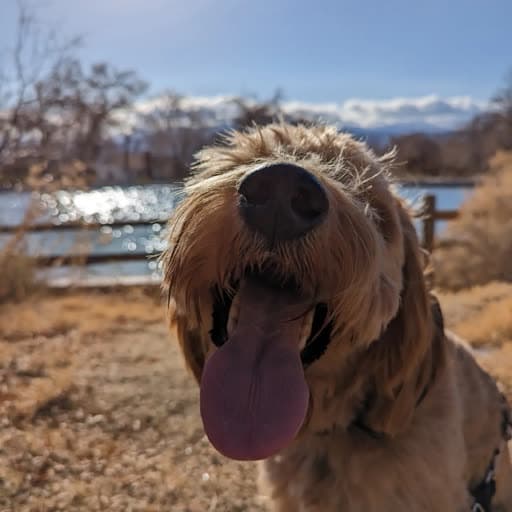
What is a Mini Goldendoodle?
A Mini Goldendoodle is a cross between a Golden Retriever and a Miniature or Toy Poodle (rather than a Standard Poodle). The result is a dog with the personality and coat of a Goldendoodle but in a significantly smaller body.
The term "mini" is used loosely in the doodle world. Most breeders define a Mini Goldendoodle as a dog that will be 15 to 35 lbs fully grown. Anything under 15 lbs is sometimes marketed as a "petite" or "toy" Goldendoodle, though those terms have no official standard. A dog over 35 lbs in this size class is generally considered a Medium Goldendoodle.
Mini Goldendoodle size
| Size Class | Adult Weight | Height at Shoulder | Parent Cross | |
|---|---|---|---|---|
| Toy / Petite | Under 15 lbs | Under 13 inches | Toy Poodle x Golden Retriever or F1 mini x Toy Poodle | |
| Mini | 15 to 35 lbs | 13 to 20 inches | Miniature Poodle x Golden Retriever | |
| Medium | 35 to 50 lbs | 17 to 21 inches | Larger miniature or small standard Poodle x Golden Retriever | |
| Standard | 50 to 90 lbs | 20 to 26 inches | Standard Poodle x Golden Retriever |
Mini Goldendoodles reach full size faster than standard doodles. Most Minis are at adult weight by 11 to 13 months. Standard Goldendoodles can take up to 18 months to fully fill out.
Generations and what they mean for a Mini
The generation of a Mini Goldendoodle affects coat type, shedding level, and how consistently small the dog will be.
An F1 Mini Goldendoodle is a direct cross between a Golden Retriever and a Miniature Poodle. These dogs are 50 percent Golden Retriever and 50 percent Poodle. Their coats can vary quite a bit, from wavy to curly, and they shed more than higher generation minis. Their size is somewhat unpredictable because Golden Retrievers are significantly larger than Miniature Poodles.
An F1B Mini Goldendoodle is a Mini Goldendoodle bred back to a Miniature Poodle, making the dog 75 percent Poodle. F1Bs are more consistently small, have curlier and lower shedding coats, and are better for allergy households. This is the most popular generation for Mini Goldendoodles.
Multigen Mini Goldendoodles are produced from multiple generations of Mini x Mini pairings. They are the most consistent in both size and coat but require breeders with extensive multigen experience to produce well.
Mini Goldendoodle temperament
The temperament of a Mini Goldendoodle is essentially identical to a standard Goldendoodle. They are friendly, social, intelligent, and eager to please. The smaller body does not change the personality.
Mini Goldendoodles bond deeply with their families and do not do well with long periods alone. They are not independent dogs. They need daily interaction, mental stimulation, and physical activity proportional to their size.
One behavioral difference worth noting: smaller dogs sometimes develop "small dog syndrome" if owners are inconsistent about boundaries because of the dog's size. Mini Goldendoodles need the same consistent training as any other doodle. A 20 lb dog that jumps, barks, or pulls on leash is just as annoying as a 60 lb one.
Exercise needs
Mini Goldendoodles need 30 to 45 minutes of daily exercise as adults. They are energetic for their size but tire faster than standard Goldendoodles on long hikes or extended play sessions. Two shorter walks plus indoor play is often a better fit than one long run.
Mental exercise is especially important for Minis. Puzzle feeders, training sessions, and sniff walks satisfy a Goldendoodle brain as effectively as physical activity and help prevent boredom behaviors like barking and destructive chewing.
Grooming
Mini Goldendoodles require the same grooming as standard Goldendoodles. The coat does not care about the dog's size. A wavy or curly doodle coat needs brushing three to four times per week and professional grooming every six to eight weeks regardless of whether the dog weighs 20 or 60 lbs.
The main advantage of a Mini is that grooming sessions take less time and professional grooming appointments can cost slightly less because smaller dogs take less time in the shop.
Health
Mini Goldendoodles share the same genetic health considerations as standard Goldendoodles: hip and elbow dysplasia, progressive retinal atrophy (PRA), and von Willebrand disease (vWD). Reputable breeders test for all of these through OFA and PennHIP screening.
Toy Poodle crosses can introduce an additional risk of patellar luxation (loose kneecaps), which is common in very small dog breeds. Ask whether the Poodle parent has been evaluated for patellar luxation if you are looking at a petite or very small mini.
Lifespan advantage is real. Smaller dogs live longer across nearly all breeds, and Minis average 12 to 16 years versus 11 to 14 for standard Goldendoodles.
Mini vs standard Goldendoodle: which to choose
| Factor | Mini (15 to 35 lbs) | Standard (50 to 90 lbs) | |
|---|---|---|---|
| Size | Small, fits apartments easily | Medium to large, needs more space | |
| Lifespan | 12 to 16 years | 11 to 14 years | |
| Puppy cost | $1,500 to $4,000 (higher) | $1,500 to $3,500 | |
| Grooming | Same frequency, lower per-visit cost | Same frequency, higher per-visit cost | |
| Exercise | 30 to 45 min per day | 60 to 90 min per day | |
| Travel | Easier in cars, hotels | Harder to transport | |
| Temperament | Identical to standard | Identical to mini | |
| Children fit | Excellent but can be knocked over by toddlers | Excellent, more durable with rough play |
Mini Goldendoodle cost
Expect to pay between $1,500 and $4,000 for a Mini Goldendoodle puppy from a reputable breeder. In high demand cities (New York, Los Angeles, Chicago, Las Vegas), prices at the top end are common. F1B and multigen minis from health tested parents typically cost more than F1 minis.
A Mini Goldendoodle costs more per puppy than a standard Goldendoodle, not less. The reason is litter size. A Golden Retriever carries 6 to 8 puppies on average. A Miniature Poodle carries 4 to 5. Smaller litter sizes mean higher cost per puppy to cover breeding expenses.
The first year of ownership (vet visits, spay/neuter, supplies, food, grooming, training) typically adds another $2,500 to $5,000 on top of the puppy price.
Is a Mini Goldendoodle right for you?
A Mini Goldendoodle is a good fit if you have limited space, want a dog that travels more easily, are looking for a slightly longer lifespan, or have family members who are more comfortable with a smaller dog. The temperament, training needs, and grooming commitment are identical to a standard.
A standard Goldendoodle may be a better fit if you have young children who play rough (a standard is more durable), if you are an active hiker who wants a dog that can keep up on long days out, or if budget is a concern since standards typically cost less per puppy.
Frequently asked questions
How big do Mini Goldendoodles get?
15 to 35 lbs and 13 to 20 inches tall at the shoulder. Most reach full size by 11 to 13 months.
Are Mini Goldendoodles good dogs?
Yes. Same friendly, intelligent, social temperament as standard Goldendoodles. Easy to train, affectionate, good with families. Same grooming commitment regardless of size.
How long do Mini Goldendoodles live?
12 to 16 years on average. Slightly longer than standards due to the general rule that smaller dogs live longer.
How much does a Mini Goldendoodle cost?
$1,500 to $4,000 from a reputable breeder. Often more expensive than standards, not less, due to smaller litter sizes.
What is the difference between a Mini and a standard Goldendoodle?
Size (15 to 35 lbs vs 50 to 90 lbs), lifespan (slightly longer for minis), cost (higher for minis per puppy), and exercise needs (less for minis). Temperament and grooming are the same.
Are Mini Goldendoodles hypoallergenic?
Low shedding but not technically hypoallergenic. F1B minis (75% Poodle) shed less and are better for allergy households. No breed is completely hypoallergenic.