Do Goldendoodles like water? Swimming guide
Both parent breeds were built for water. Golden Retrievers retrieved from lakes and rivers. Poodles were originally German water retrievers before the show haircut made everyone forget that. Most Goldendoodles carry that instinct enthusiastically. Here is how to let them use it safely.
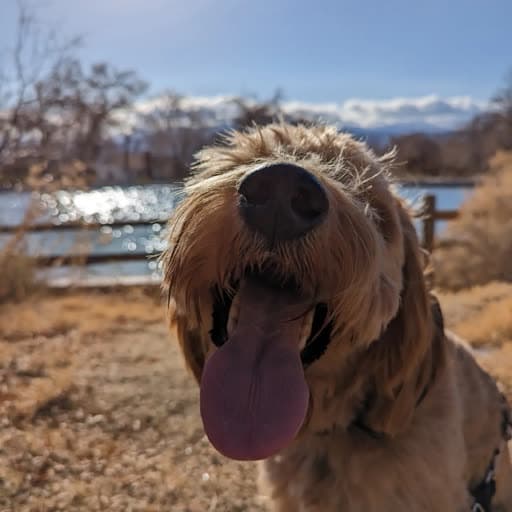
Why Goldendoodles tend to love water
Golden Retrievers were developed in the Scottish Highlands in the 1800s to retrieve shot waterfowl from cold lakes and rivers. They have a water resistant double coat and a natural willingness to enter water. Poodles, despite their elegant grooming reputation, are originally German water dogs. The name Poodle comes from the German word pudeln, meaning to splash in water. The iconic Poodle haircut was functional: it reduced weight in water while keeping joints warm.
Goldendoodles inherit the water affinity from both sides. In practice, most take to water quickly. Some launch themselves in on first contact. Others need a few positive experiences before they are fully enthusiastic. A small minority remain water hesitant regardless of introduction approach, and that is fine too.
How to introduce a Goldendoodle to swimming
Never throw a dog into water or force them in. Even if they swim instinctively, a forced entry creates a negative association that is hard to undo. The goal is to let the dog choose water on their own terms with encouragement.
Start with shallow moving water: a slow creek, a splash pad, or the shallow end of a pool with steps. Wade in yourself and call the dog. Bring their favorite toy and toss it into ankle depth water first. Let them retrieve from standing depth before encouraging anything deeper.
Most Goldendoodles transition from wading to paddling naturally within a few sessions. Once they discover that their feet lift off the bottom and they float, most take to it immediately. The first full swim is usually accompanied by a burst of energy and obvious enthusiasm that is hard to mistake.
Water safety rules
Use a life jacket for any open water situation until you have seen your dog swim confidently in that type of water. Lakes, ocean surf, rivers, and canals all present conditions different from a pool. Current, waves, and cold temperature affect even strong swimmers. A good dog life jacket fits snugly, has a handle on top for lifting, and keeps the dog level in water rather than nose down.
Never leave a dog alone near an unfenced pool or open water. Pools are a drowning risk even for dogs that can swim, primarily because dogs that fall in often cannot find the exit and tire themselves out trying. Pool fencing and pool alarms for dogs are worth considering for any household with a Goldendoodle.
Watch for signs of exhaustion: slower paddling, dropping low in the water, labored breathing. Dogs do not always self regulate their effort in water and can push past their limit, especially in cold water or with the excitement of play.
Ear care after every swim
This is non-negotiable for Goldendoodles. Floppy ears cover the canal, and hair growing inside the canal traps moisture. Water that sits in the canal after swimming is the most common cause of ear infections in the breed. The swim protocol: get the dog out, hand squeeze and towel dry the outer ear, apply ear cleaning solution, massage the base of the ear for 30 seconds, let the dog shake, then wipe clean with a cotton ball.
Do this within 30 minutes of every swim. Every time. One skipped post-swim ear clean is enough to trigger an infection in a predisposed dog. Mango has had zero ear infections on this schedule.
Pool water and coat care
Chlorine at standard pool concentrations is not harmful for dogs to swim in and will not damage the coat significantly with occasional swims. Daily swimming in heavily chlorinated water can dry out the coat and skin over time. Rinse the dog with fresh water after pool sessions and condition the coat regularly if your dog swims frequently.
Salt water pools are safe at normal concentrations. Ocean swimming introduces sand and salt that should be rinsed out after sessions. Sand in a curly doodle coat is uncomfortable and abrasive if left in.
Water in Las Vegas
Las Vegas summers make a pool a genuine quality of life item for a Goldendoodle. Water is one of the best cooling mechanisms for a doodle in 110 degree heat. A kiddie pool in the backyard, a splash pad visit, or a shaded pool session mid-morning provides relief that no amount of shade and fans can fully match. The swim protocol for post-pool ear care matters even more in Vegas because of how frequently dogs go in.
Frequently asked questions
Do Goldendoodles like water?
Most do, strongly. Both parent breeds were developed for water work. Individual variation exists but enthusiasm for water is a common breed trait.
Can Goldendoodles swim naturally?
Most paddle effectively on first exposure. Always introduce gradually in shallow water. Use a life jacket in open water until you know the dog's ability in that environment.
Do I need to clean ears after swimming?
Yes, every time without exception. Within 30 minutes. Skipping post-swim ear care is the leading cause of ear infections in Goldendoodles.
Is pool water safe for Goldendoodles?
Yes at normal chlorine levels. Rinse after to protect the coat. Large ingestion can cause stomach upset.
Should I use a life jacket?
Yes for open water until you have confirmed your dog swims confidently in those conditions. Pool swimming by a confident dog does not require one.