Goldendoodle water safety: lakes, rivers, and ocean swimming
A Goldendoodle that swims confidently in a pool is a different dog in a lake or the ocean. Open water brings current, wildlife, water quality concerns, and hazards that no amount of backyard pool practice prepares an owner for. Here is what to know before the next outdoor swim.
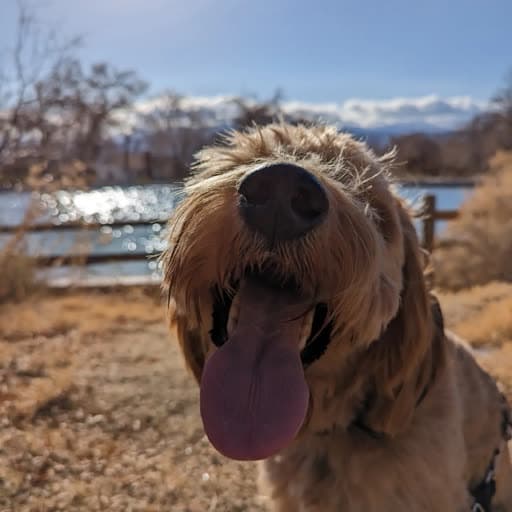
Open water is not a bigger pool
A pool is a controlled environment. The water quality is monitored, the temperature is predictable, and there are no external forces acting on the dog. Open water is none of those things.
Lakes and ponds can harbor algae blooms that are toxic within a single exposure. Rivers have current that can overpower any swimmer. The ocean has salt water that causes serious illness when ingested and rip currents that disorient dogs just as they disorient people. Understanding each environment separately is what keeps the dog safe.
Blue-green algae: the lake and pond hazard most owners miss
Blue-green algae is not actually algae. It is cyanobacteria, a type of bacterium that produces toxins capable of causing liver failure and neurological damage in dogs. Death has been documented within hours of ingestion. There is no antidote and no safe dose.
Blooms are most common in warm, stagnant freshwater in summer. The water may look like a green paint spill, pea soup, or foam concentrated at the shoreline or surface. Some blooms are blue-green, some are olive or brownish, and some appear as a thick surface scum. Hot weather intensifies blooms rapidly.
If your dog swims in water you later discover had an algae advisory, rinse the coat thoroughly with clean water before the dog can lick itself. Then go to an emergency vet, even without symptoms. Speed is the only variable the vet can work with.
River swimming: current changes everything
Moving water is physically different from still water. A dog that swims easily in a pool or calm lake can be swept downstream in a river with moderate current in seconds. Current is strongest in the center and around bends. It is also invisible from the surface.
Keep a leash within reach near any moving water. A dog life jacket with a back handle is the tool that makes it possible to physically lift the dog out of fast water if the situation changes quickly. Without a handle, reaching into fast current to grab a struggling dog is dangerous for the owner too.
Rapids and waterfalls are absolute no-entry zones. The turbulence below a waterfall creates hydraulics that pull objects underwater. A dog that goes over a waterfall edge cannot be retrieved by the current or by the owner wading in.
Safe river swimming spots are shallow, slow-moving areas with a clear, gradual bank entry and exit. If the water moves faster than walking pace, skip it.
Ocean swimming: salt water and rip currents
Dogs love ocean waves. They are also completely indiscriminate about what water they drink while swimming. A dog playing in the surf for 20 minutes can ingest enough salt water to cause electrolyte imbalance, which presents as vomiting, diarrhea, lethargy, and in severe cases neurological symptoms.
The fix is simple: bring fresh water to the beach and offer it before the dog is thirsty. A dog that has access to fresh water throughout the session is far less likely to drink from the ocean. Rinse the coat thoroughly after ocean swimming. Salt left to dry in the coat causes skin irritation and makes the coat brittle over time.
Rip currents affect dogs the same way they affect people. A dog caught in a rip current should not fight straight back to shore. The same principle applies: swim parallel to shore until out of the current, then angle back in. Most dogs will instinctively fight the current directly and tire quickly. If your dog gets pulled out, enter the water calmly to guide them. Panicked entry puts two swimmers at risk instead of one.
Water intoxication: the risk no one mentions
Water intoxication (hyponatremia) is not drowning. It is the result of ingesting so much water during swimming that sodium levels in the bloodstream drop to dangerous levels. It is uncommon but it happens most often to dogs that play fetch in water or bite at waves repeatedly over an extended session.
Every time a dog retrieves a ball from water, bites a wave, or mouths a water stream, it ingests some water. Over a long session, that amount adds up. The sodium dilution affects brain function before the dog shows any obvious signs of distress.
Signs include lethargy, nausea, bloating, lack of coordination, and in severe cases seizures. The dog may seem tired or disoriented before other signs appear. Because owners often attribute these signs to a good workout, the condition can go unrecognized until it is advanced.
The prevention is straightforward: limit continuous water play to 15 to 20 minutes. Take the dog out of the water, towel off, offer fresh water, and let it rest on dry land for at least 10 minutes before the next session. This is enough to let the body process and rebalance.
Life jackets in open water
A life jacket appropriate for open water has three features: a top handle, a bright color, and a fit that keeps the dog level rather than nose-down. The handle is the most important. In a river or ocean, you may need to lift the dog with one hand. Without the handle, that is not possible.
Neutral buoyancy (the dog floating level) prevents the jacket from tipping the dog forward in the water, which causes panic and makes swimming harder instead of easier. Try the jacket in calm, shallow water first. Watch how the dog sits in it: nose and rear should be roughly level. If the front of the dog dips, the jacket is not a good fit.
A dog life jacket is worth using even for a strong swimmer when the water environment is unpredictable. The jacket adds no harm to a confident swimmer and adds significant safety margin in conditions you cannot fully control.
Open water hazards at a glance
| Hazard | How to identify | Risk level | Prevention | |
|---|---|---|---|---|
| Blue-green algae | Green paint, pea soup, or foamy surface film on warm still water | Potentially fatal | No entry if bloom is visible or suspected. No drinking from any standing water. | |
| River current | Fastest in center channel and around bends. Surface may look calm. | High in fast sections | Life jacket with handle. Leash nearby. No rapids or waterfalls. | |
| Ocean rip current | Choppy, discolored channel of water moving seaward | Moderate to high | Swim parallel to shore to escape. Do not fight current directly. | |
| Water intoxication | Lethargy, nausea, bloating, loss of coordination after long swim sessions | Low but real | Limit sessions to 15 to 20 min. Fresh water breaks between sessions. | |
| Wildlife (snakes, snapping turtles) | Shallow, weedy lake or pond edges. Rocky riverbanks. | Low to moderate | Avoid weedy shallows. Keep dog close in unfamiliar water. |
Las Vegas open water: what local owners should know
Lake Mead is the closest large body of open water to Las Vegas and a popular destination for dogs. The National Park Service issues periodic algae advisories for Lake Mead, particularly in late summer when the water is warmest and most stagnant near the shallows. Check current NPS advisories at the Lake Mead National Recreation Area website before any visit.
Lake Las Vegas is a private resort lake and generally not an off-leash dog swimming destination. Stick to Lake Mead for outdoor water time, and check conditions before each trip.
Red Rock Canyon washes run with significant current after monsoon rainfall, which typically arrives in late July and August. A wash that looks dry in the morning can become fast-moving water after an afternoon storm. Always check the forecast before hiking near washes. Keep the dog leashed near any wash during monsoon season. Current in narrow canyon washes moves faster than it looks and has no predictable path.
After the swim: the routine that protects the ears and coat
Open water adds one step to the post-swim routine that pool swimming does not require: a visual check of the coat and paws for debris, leeches, or anything picked up from natural water. Run hands through the full coat before the ear care step.
Ear care after any swimming is non-negotiable for Goldendoodles. The same protocol applies whether the swim was in a pool, lake, or ocean: towel dry the outer ear, apply veterinary ear cleaner to the canal, massage for 30 seconds, let the dog shake, then wipe clean. Do this within 30 minutes of every swim session.
After ocean swimming, a full rinse with fresh water removes salt from the coat before it dries in. After lake swimming, rinse if the water quality was uncertain. After river swimming, rinse and check paws for small cuts or debris from rocky bottoms.
Frequently asked questions
Is blue-green algae dangerous for dogs?
Yes. It can be fatal within hours. No safe dose exists. If any algae is visible on the water, keep the dog out. Emergency vet immediately for any symptoms after a suspect swim.
Do Goldendoodles need a life jacket in open water?
Yes, even confident swimmers. Open water introduces current, waves, and fatigue over distance that a pool does not. A jacket with a back handle lets you lift the dog to safety when conditions change.
What is water intoxication in dogs?
Hyponatremia from ingesting too much water during extended swim sessions. Signs include lethargy, bloating, and loss of coordination. Limit sessions to 15 to 20 minutes with dry land breaks between.
Is ocean swimming safe for Goldendoodles?
Safe with precautions. The main risks are salt water ingestion and rip currents. Bring fresh water, rinse the coat after, and know how to identify and escape a rip current.
What should I do if my dog swims in algae-contaminated water?
Rinse immediately with clean water before the dog licks its coat. Go to an emergency vet right away. Do not wait for symptoms. Speed is the only variable in the outcome.