Goldendoodle winter cold weather guide
Goldendoodles handle cold weather better than most breeds, but the fluff coat introduces winter problems most owners do not see coming. Snow balls fuse into ice clumps in the legs and ears. Sidewalk salt eats paw pads. The hot blast from a space heater catches a curl. Here is the full winter playbook from the coat threshold question to the holiday hazards almost every household underestimates.
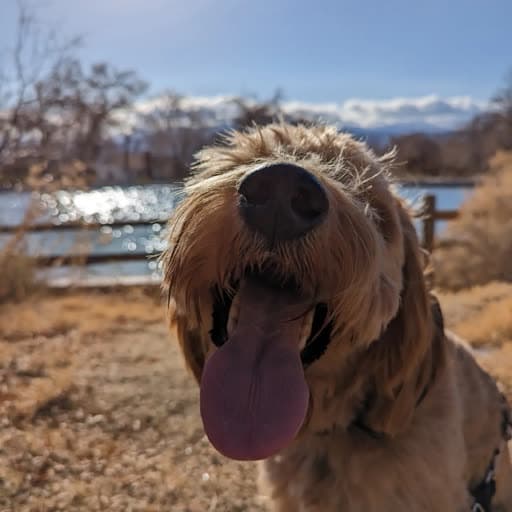
How Goldendoodles handle the cold
A Goldendoodle's double layer coat (poodle wool topcoat plus retriever undercoat) provides genuine insulation against cold. A well groomed adult doodle in good condition handles weather down to about 20F with no extra layers for short walks. Below that threshold, the math shifts toward equipment.
Three factors compress the safe threshold. First, recent grooming. A doodle just out of a 1 inch trim has lost most of the coat's insulating loft and reacts to cold as though it were 10 degrees colder than the thermometer reads. Second, body weight. Mini doodles lose heat faster per pound than standards. Third, age and health. Senior doodles, puppies under 4 months, and any dog with a chronic condition need a coat earlier and more often.
When does your Goldendoodle need a coat?
The temperature threshold is a starting point, not a rule. Watch the dog. The actual signal that a doodle is cold is shivering, lifting paws off the ground, slowing pace, and seeking shelter. Any of those, and the coat goes on.
| Standard adult | Mini adult | Senior or puppy | |
|---|---|---|---|
| Above 45F | Nothing needed | Nothing needed | Nothing needed |
| 32 to 45F | Optional, vest for long walks | Light coat | Light coat |
| 20 to 32F | Coat for walks over 20 min | Coat required | Coat required, short walks only |
| 10 to 20F | Coat required | Coat plus boots | Indoor only or very short walks |
| Below 10F | Coat plus boots | Indoor only | Indoor only |
| Wet plus 35F | Always coat | Always coat plus boots | Skip the walk |
Wet weather drops the safe threshold significantly. A Goldendoodle in 50F drizzle with a soaked coat loses heat faster than the same dog in dry 25F air. Always layer for rain or wet snow regardless of the air temperature reading.
Boots versus paw balm
Both have a place. The wrong choice is also the most common one: relying on paw balm in conditions that call for boots, or putting boots on for every winter walk regardless of need.
- Paw balm (Musher's Secret, Pawtect, or Burt's Bees Paw and Nose Lotion). Works for light snow, dry cold, and walks under 30 minutes. Apply 10 minutes before going out. Reapply if walking in wet conditions for over 20 minutes. Easy daily option.
- Dog boots (Ruffwear Polar Trex, QUMY, Pawz disposable rubber). Required for heavy salt, ice patches, walks over 30 minutes, and any temperature below 20F. The salt is more dangerous than the cold for paw pads.
- Salt is the silent winter danger. De icing salts (calcium chloride, sodium chloride, magnesium chloride) cause chemical burns on paw pads, irritation between toes, and serious GI upset if licked. Boots prevent both contact and ingestion.
- Always rinse paws on return. Warm water bowl by the door. Plunge each paw, towel dry. This removes any salt the boots missed and any snow caked between toes.
Indoor exercise when it is too cold
When the weather drops below the safe walking threshold, the exercise still has to happen. A 45 lb Goldendoodle needs at least 60 minutes of activity a day, and a missed week of exercise turns into a destructive household energy fast. Here is the indoor program.
- Hallway fetch and tug. Soft toy, 30 feet of clear space, 15 to 20 minutes. Burns more energy than a normal walk.
- Stair laps. Carefully, controlled pace. 10 minutes is a serious cardio workout for an adult dog.
- Snuffle mat meal. Replace one daily meal with a snuffle mat. Engages the brain hard, takes 15 to 25 minutes.
- Frozen Kong. Stuff with peanut butter and yogurt, freeze. 30 to 45 minutes of solo enrichment.
- Trick training session. Five 10 minute sessions across the day. Spin, bow, paw target, place, hand touch. Mental work is calorie expensive.
- Indoor doggy daycare once a week. When the weather closes the outdoor option entirely, a controlled run session prevents the indoor wall climbing.
Coat care in snow conditions
Snow balls in the fur are the most underrated winter doodle problem. Long fluff catches snow, body heat partially melts it, and the resulting slush refreezes into ice clumps that pull and matt the coat. Severe cases require scissor work to remove, sometimes with skin damage.
Three steps prevent it. First, comb out matting before the walk. Tangled fur catches snow more aggressively. Second, apply paw balm or wear boots, which also prevents ankle and lower leg snow ball formation. Third, rinse with warm (not hot) water on return and dry with a towel or a cool blow dryer. Never pull dried snow balls. The fur breaks and the skin tears, and damp matted fur is the fastest way to a winter hot spot.
For long term winter coat care, schedule grooming around the season. A 1 to 1.5 inch length on the body and legs is the sweet spot for winter, short enough to manage but long enough to insulate. Avoid a full shave through November. The coat needs the loft to keep the dog warm.
Space heater safety
Doodles are heat seekers. The fluff coat insulates against cold but the dog still gravitates toward warm spots, and a space heater is a magnet. Three rules around any portable heater:
- Tip over auto shut off. Mandatory feature. Any heater older than 5 years and any cheap unit may not have it.
- Enclosed heating element. Open coil heaters are a fire hazard with any pet in the house. Modern ceramic and oil filled radiator units have enclosed elements.
- Never alone with a running heater. Curl plus heat is how house fires start. The heater goes off when you leave the room.
Wood stoves and fireplaces fall under the same rule. Use a screen or gate that the dog cannot jump or push past. The doodle wants to nap as close as possible. Do not let it.
Winter feeding
Most house Goldendoodles do not need a calorie bump in winter because they spend most of the day inside at room temperature. The exceptions are working dogs, dogs who hike or ski with their owners, and outdoor dogs (which doodles really should not be).
- Watch the body condition score. You should still be able to feel ribs without seeing them. If the ribs become harder to find, drop the calories. If they become more visible, add a quarter cup.
- Hydration matters as much as food. Indoor heating dries the air. Add a splash of water to dry kibble or rotate in a fresh or air dried food with higher moisture.
- Avoid free feeding. Cold weather invites doodles to graze. Stick with twice a day adult feeding to keep weight stable.
- Supplement omega 3s. Winter dry skin and coat dullness are common. A pump of fish oil or an omega rich food (Open Farm, The Honest Kitchen, see our best food for Goldendoodles guide) keeps the coat moisturized through January.
Holiday safety hazards
Winter and holiday season overlap, and the holidays bring a parade of dog hazards into the house. The vet emergency rate spikes every year between Thanksgiving and New Year's Day. Here is the watchlist.
- Chocolate. Dark and baking chocolate are toxic. Stockings and advent calendars at dog level get raided. Move them up.
- Xylitol. Sugar free baked goods, sugar free gum, and some peanut butter brands. Lethal in small doses. Read every label.
- Grapes and raisins. Fruit cake, holiday salads, charcuterie boards. Cause acute kidney failure. Zero is the safe amount.
- Macadamia nuts. Toxic. Show up in cookies and gift baskets.
- Onion and garlic. Damaging to red blood cells. Hidden in stuffing, gravy, holiday casseroles. Skip the table scraps entirely.
- Rich fatty foods. Turkey skin, prime rib trimmings, and butter heavy sides cause pancreatitis, which is genuinely dangerous and a common holiday ER admission.
- Christmas tree hazards. Tree water (especially with preservative), tinsel (intestinal blockage), glass ornaments at tail height, lit candles within tail reach.
- Toxic plants. Mistletoe, holly, lily of the valley, amaryllis. All cause serious symptoms. Poinsettias are usually overstated as a hazard but still cause GI upset.
- Open doors. Guests come and go, the dog escapes. Tag the dog with a current ID, microchip in case the tag falls off, and use a baby gate at the entry during gatherings.
- Stress and overstimulation. A house full of strangers stresses even social doodles. Set up a quiet retreat space (crate or bedroom) with a frozen Kong and let the dog opt out.
Quick winter checklist
- Coat fitted and tested before the first cold snap
- Dog boots fitted and trained in the backyard before salt season
- Paw balm in the entry closet, ready for daily use
- Towel and warm water bowl by the door for paw rinse on return
- Indoor exercise routine drilled and rotating
- Space heater with tip over and enclosed element, supervised use only
- Fish oil or omega rich food for skin and coat moisture
- Holiday hazard watchlist communicated to all household guests
- Quiet retreat space prepared for the dog during gatherings
- Vet emergency number saved in phone, 24 hour clinic identified
Quick FAQ
When does a Goldendoodle need a winter coat? Below 32F for standard adults, 40F for minis. Always for wet weather under 50F.
Boots or paw balm? Both. Boots for salt, ice, and below 20F. Paw balm for dry cold and short walks.
How do I remove snow balls from the coat? Warm water rinse, gentle finger work, and a cool blow dryer. Never pull dried clumps.
Should I feed more in winter? Only if outdoor time is significant. House doodles maintain on the same calories. Watch the body condition score.
What about Vegas winters? Las Vegas winters look mild but can drop into the 30s overnight. The desert wind plus dry cold still warrants a coat for early morning walks. The full Vegas year is on our Vegas page, and the summer counterpart to this guide is on summer heat safety.