Exercising your Goldendoodle in winter: cold weather guide
Goldendoodles are built for colder weather better than most dogs their size. That dense coat insulates well. But there are real limits to how much cold is safe, real hazards on winter sidewalks, and real consequences when an energetic doodle does not get enough movement for days at a stretch. Here is what actually matters when the temperature drops.
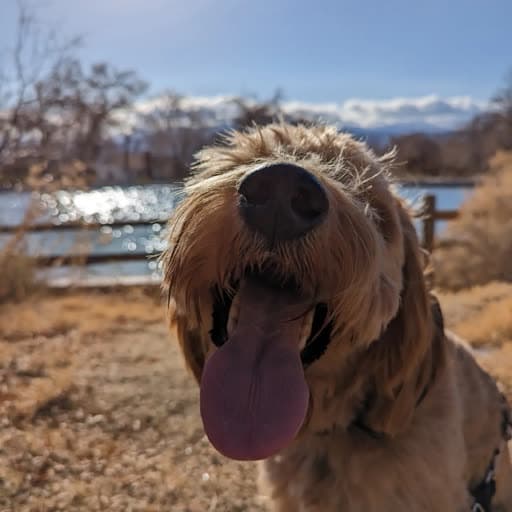
How cold is too cold for a Goldendoodle
Goldendoodles inherit the Poodle and Golden Retriever coat, which means a dense layer of insulation that handles cold far better than a short coated dog the same size. A healthy adult Goldendoodle is comfortable outdoors down to about 30 degrees Fahrenheit for moderate exercise, and can manage short bathroom trips in colder conditions without distress.
Wind chill changes the math significantly. A 25 degree day with a 20 mph wind feels like 11 degrees on exposed skin and paw pads. When wind chill drops below 20 degrees, extended outdoor exercise sessions should move indoors regardless of how eager your dog seems.
Puppies under six months, senior dogs over eight years, and any Goldendoodle with a health condition like hypothyroidism or heart disease should follow a more conservative schedule. These dogs feel cold faster and recover more slowly.
| What it means for your Goldendoodle | Recommended action | |
|---|---|---|
| Above 45°F | Comfortable for most dogs. Full coat provides good insulation. | Normal outdoor exercise. No special precautions needed beyond paw check after walks on treated surfaces. |
| 30 to 45°F | Brisk but manageable for healthy adults. Small and young dogs may feel it more. | Limit extended walks to 45 minutes. Check paws after walks. Consider paw wax if salt is on sidewalks. |
| 20 to 30°F | Cold enough to affect paw pads and extremities. Puppies and seniors should stay brief. | Limit outdoor exercise to 20 minutes. Use paw wax or booties. Watch for shivering or slowed movement. |
| Below 20°F (or wind chill below 20°F) | Too cold for extended outdoor time even for healthy adults. | Indoor exercise only. Bathroom trips are fine but keep them short and move back inside quickly. |
Paw protection in snow and on ice
The paw pad hazards in winter come from two different directions. The cold itself can cause frostbite on the thin skin between the toes and on the exposed tips of paw pads after prolonged contact with frozen pavement. The more immediate and common hazard is the deicing chemicals and rock salt spread on sidewalks and parking lots.
Rock salt is abrasive. It works into the small cracks and crevices between toes and causes chemical burns on contact with moist skin. Most dogs lick their paws after returning inside, which means whatever is on those paws goes directly into the digestive system.
Dog booties vs paw wax
Dog booties offer the most complete protection from both cold and chemicals. They create a barrier between the paw pad and the ground. The tradeoff is that most dogs need time to adjust to wearing them, and some never fully cooperate. If you want to try booties, start indoors with short sessions and use high value treats to build a positive association before the first outdoor walk.
Look for dog booties designed for snow and ice with a non slip sole and a secure closure. Booties that fall off mid walk become a hazard rather than a help.
Paw wax is the practical alternative for dogs who will not tolerate booties. Musher's Secret paw wax is the most widely used product. It forms a breathable barrier on the paw pad that reduces salt contact, prevents cracking, and provides some insulation against cold pavement. Apply it before the walk. It wipes off easily when you return inside. Most dogs accept paw wax without resistance because there is nothing to wear.
Either approach is better than neither. Paw wax is the starting point for most owners. Booties are worth the training effort if you walk frequently in heavy snow or on heavily salted surfaces.
The Las Vegas winter context
Las Vegas winters are mild by most standards. Temperatures rarely drop below 35 degrees Fahrenheit and snow is essentially nonexistent in the valley. Mango's winter challenge is not blizzards. It is the early morning walks in November through February when temperatures sit in the high 30s and low 40s for a few hours before warming up.
The practical concern in Las Vegas winter is the deicing products that apartment complexes, parking lots, and some sidewalks use during the brief cold snaps. The products are the same as in colder climates. The paw rinse routine after every walk matters here just as much as it does in Minnesota.
For owners in genuinely cold climates dealing with weeks of below freezing temperatures, heavy snowfall, and heavily salted infrastructure, the temperature guidelines and indoor substitutions in this guide reflect your actual reality. Las Vegas winters are a footnote. Buffalo winters are the main event.
Indoor exercise substitutions when outdoor conditions prevent full walks
An energetic Goldendoodle that does not get adequate exercise for several days becomes destructive, anxious, and difficult to live with. When genuine cold weather prevents outdoor sessions, indoor substitutions are not optional. They are what keeps your house intact and your dog mentally stable.
The most effective indoor physical options are indoor fetch down a long hallway or up and down stairs, treadmill walking if you have a treadmill your dog can use safely, and rough and tumble play on a soft surface. These get the heart rate up without requiring outdoor access.
Mental stimulation is often underrated. A 20 minute training session working on new or advanced commands taxes a Goldendoodle's brain at a level that leaves them genuinely tired. The session does not need to be complicated. Working on sit stays with increasing duration, or learning a sequence of three to four commands in order, engages the problem solving circuits that physical exercise does not reach.
Other indoor options that combine physical activity with mental engagement include snuffle mats at mealtimes, frozen Kong enrichment where meals are packed inside a Kong and frozen overnight, hide and seek using treats or toys placed in increasingly difficult spots around the house, and nose work games where your dog learns to find a specific scent.
| Activity | What it provides | Notes | |
|---|---|---|---|
| Indoor fetch (hallway or stairs) | Physical exercise, energy burn | Use a soft toy to protect walls. Stairs add intensity. | |
| Training session (20 to 30 min) | Mental fatigue, bond building | New commands or increased difficulty on known ones. High value treats. | |
| Snuffle mat feeding | Nose work, slow feeding, mental engagement | Replace bowl with snuffle mat at mealtime. Takes 10 to 15 minutes. | |
| Frozen Kong enrichment | Sustained mental engagement | Pack with kibble, peanut butter, or soft food and freeze overnight. | |
| Hide and seek with treats or toys | Nose work, problem solving | Start simple, increase difficulty as your dog improves. | |
| Puzzle feeder or lick mat | Mental stimulation, calm focus | Good for rainy or cold afternoons when outdoor time is cut short. |
Signs of hypothermia in dogs
Hypothermia happens when a dog's core body temperature drops low enough that normal body functions begin to fail. It is rare in a healthy adult Goldendoodle on a moderate winter walk, but it is a genuine risk for puppies, seniors, small dogs, and any dog left outside too long in genuinely cold conditions.
The early signs are shivering, slowed movement, and reluctance to keep walking. A dog that was pulling on the leash and is now dragging behind you is telling you something. Other signals include cold ears, cold paws even after returning inside, a tucked tail, and hunching the body.
More serious hypothermia presents as extreme lethargy, pale or blue gums, and loss of coordination. If you see those signs, bring your dog inside immediately, wrap them in a warm blanket, and contact your vet. Do not use a heating pad directly on the skin. Warm the environment, not the skin surface.
The practical takeaway is that shivering is a signal, not a minor inconvenience. When your dog shivers on a walk, the walk ends and you go inside. Healthy Goldendoodles in good coat condition should not shiver on a brisk 35 degree morning. If yours does, it is worth talking to your vet about thyroid function or coat condition.
Keeping an energetic Goldendoodle mentally stimulated when outdoor time is genuinely cut short
The dogs that handle cold weather exercise cuts the best are the ones whose owners understand that the goal is tired, not just walked. Physical distance is one way to achieve tired. It is not the only way.
A Goldendoodle that learns new things, solves problems, and uses its nose regularly is a calmer dog even on weeks where outdoor exercise is cut to a fraction of normal. The combination of a morning training session, a midday snuffle mat meal, and an afternoon frozen Kong can cover a full indoor day without a single outdoor lap.
Adding a structured indoor training goal for winter months is one of the best investments you can make. Teaching a solid place command, a prolonged down stay, or a sequence of tricks gives you structured indoor time that benefits the dog year round. Mango learned his best tricks during Las Vegas summers when outdoor exercise was limited by heat. Winter is the same opportunity on the other end of the thermometer.
Frequently asked questions
Can Goldendoodles be outside in the cold?
Yes, with limits. Goldendoodles tolerate cold well compared to short coated dogs. Extended outdoor time below 20 degrees Fahrenheit with wind chill is too much. Above 30 degrees, healthy adult Goldendoodles handle brisk 30 to 45 minute walks without issue. Puppies and seniors need shorter sessions at any cold temperature.
Do Goldendoodles need booties in winter?
Booties are recommended when walking on salt treated surfaces and when temperatures drop below 20 degrees. If your dog tolerates them, they offer the best paw protection available. Paw wax is a practical alternative that most dogs accept without resistance. Either option is better than bare paws on treated sidewalks.
How cold is too cold for a Goldendoodle?
Below 20 degrees Fahrenheit with wind chill is the general limit for extended outdoor sessions. Between 20 and 30 degrees, keep walks to 20 minutes with paw protection. Between 30 and 45 degrees, healthy adults can handle up to 45 minutes of brisk activity. Above 45 degrees, normal exercise schedules apply with routine paw care.
Do Goldendoodles like snow?
Most love it. The first snowfall usually produces a full zoomie session. Short snow romps are great exercise and most Goldendoodles take to it naturally. The hazards are not the snow itself but salt and chemicals on treated surfaces, cold pavement between the toes, and extended exposure time. Keep it fun and keep it reasonably brief.
How do you exercise a Goldendoodle in winter when outdoor conditions are too severe?
Indoor fetch, stair work, 20 to 30 minute training sessions, snuffle mat feeding, frozen Kong enrichment, hide and seek with treats, and puzzle feeders all provide meaningful physical and mental exercise without going outside. Mental stimulation per minute is often more tiring than physical exercise. A focused training session can match the tiredness produced by a 30 minute walk.